

The voucher activity Suspense Account report monitors the status and progress of payment vouchers, which are documents that authorize payments. This report tracks the vouchers’ creation, modification, and approval stages, providing insights into the efficiency of the accounts payable process. It is beneficial for identifying delays in processing payments, which can be addressed to improve workflow efficiency. AP reports help businesses plan their resources and prioritize spending, ensuring timely payments are made. By understanding the timing and magnitude of cash outflows, companies can better manage their working capital and invest resources where they are most needed. This efficient resource allocation instills a sense of control and contributes to operational efficiency.
Flagging Unusual Transactions
This process provides a https://www.bookstime.com/ thorough picture of financial operations, identifying weaknesses that could affect accuracy, efficiency, and compliance. Accounts payable reports offer detailed insights into a company’s outstanding liabilities and payment schedules. These reports help businesses plan their cash flow by forecasting payment obligations, ensuring they have sufficient funds to cover liabilities while optimizing resource allocation. A Real-time AP dashboard is not an exact report but a comprehensive, instant overview of the company’s expenditures, ensuring a smooth and efficient AP process.
Step 4: Perform vendor and invoice testing
Financial errors cost businesses millions annually, yet most organizations skip systematic accounts payable audits. This oversight creates vulnerabilities that fraudsters exploit and compliance gaps that regulators penalize. Smart companies recognize that thorough AP audits protect cash flow, ensure accuracy, and maintain vendor relationships.
- It involves verifying recorded AP transactions for accuracy, compliance, and alignment with operational activities.
- Delayed or incorrectly processed payments can damage vendor relationships and affect company credibility.
- With a strong AP department and the right software, there’s no need to fear accounting procedures any longer.
- Hence, it helps to reduce the risk of unrecorded liabilities either due to error or fraud.
- Having the proper controls in place can reduce or even eliminate these occurrences.
- When undetected, these risks can damage your business’s longevity and success.
- Reconciling accounts payable balances with the general ledger before the audit can help identify and address discrepancies proactively.
What are the common issues identified during an accounts payable audit?
They want to see a clear trail connecting recorded payables to actual payments, whether electronic or otherwise. Any unmatched or open records are flagged for further review, and cutoff tests are often used ap audit to ensure transactions are recorded in the correct period. A smooth, reliable AP process is about more than just payments; it’s a reflection of a business’s credibility.

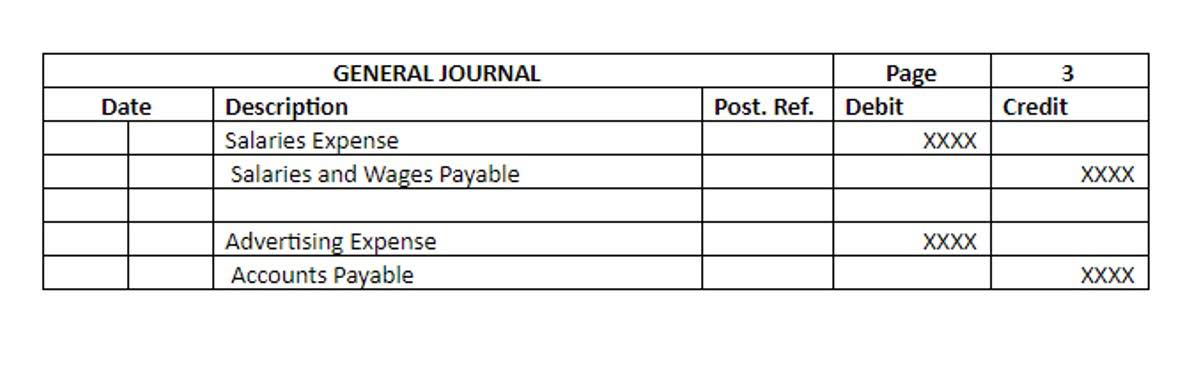
Set up clear guidelines for approving invoices and payments so that nothing slips through the cracks. Having different people handle different parts of the payment process also makes it harder for fraud to occur. The more structured and transparent your system is, the simpler your audits will be. After ensuring all accounts payable transactions are accurately recorded and reconciled, the next focus is identifying vulnerabilities within the system to prevent fraud and strengthen internal controls.

In short, regular audits of accounts payable ensure the legitimacy of records, validate accuracy, verify compliance, and identify potential risks. They are essential for maintaining financial integrity and improving AP processes within any company. Conducting an accounts payable audit can be a complex and time-consuming task, but using an accounts payable audit checklist makes the process more manageable. The checklist serves as a crucial tool to ensure the audit is comprehensive, efficient, and accurate.
The audit team will consist of the lead auditor, staff auditors, and specialists as needed. The team members will be assigned specific tasks based on their expertise and the areas to be audited. The primary aim of this audit is to express an opinion on the fairness of XYZ Company’s financial statements in accordance with Generally Accepted Accounting Principles (GAAP). However, businesses must also have sufficient liquidity to capitalize on these savings without straining their cash reserves.