
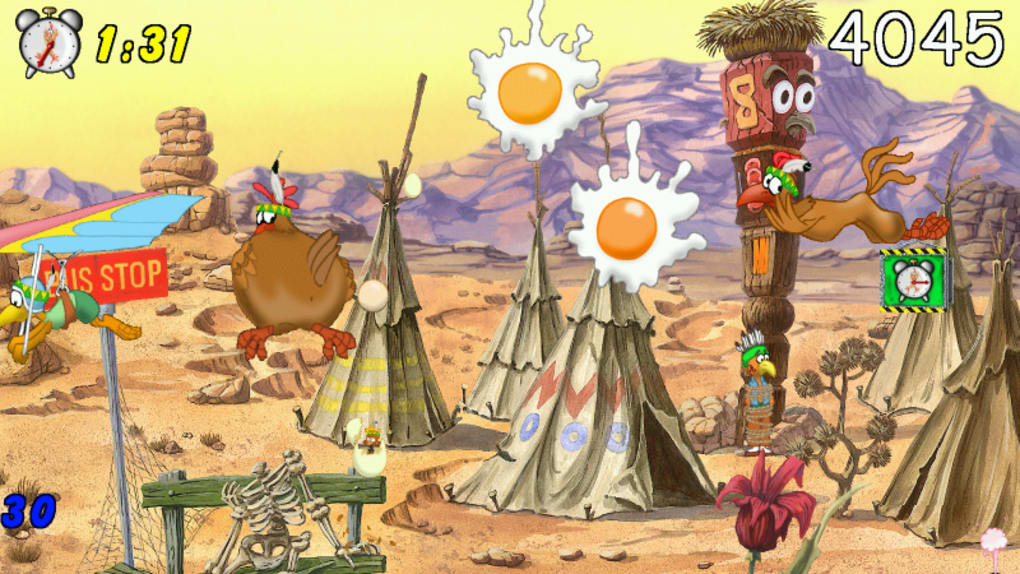
UK gaming analysts have taken a thorough review at the well-known online casino bonus, Chicken Shoot Game. Their work focuses on how the game’s wins are distributed, revealing clear patterns in its fluctuation. This unbiased study analyzes the game’s workings, transcending player stories to explore the mathematics behind win frequency and payout sizes. For players, grasping these patterns is crucial to shaping their approach and defining realistic expectations for this specific bonus round.
Explaining Variance in Online Casino Features
Variance, or volatility, is a statistical notion. It measures how spread out a game’s results are over time. This spread defines the risk. A low-variance game pays out smaller wins more often, leading to a smoother session. Chicken Shoot Game typically lands in the high-variance group. These games award wins less frequently, but the payouts can be much larger when they land. This basic idea guides how players manage their money and determine how long to play, especially on the feature-packed sites common in the UK.
This metric explains why two people can walk away from the same game with completely different outcomes. One player might gather a handful of small prizes quickly. Another might play through a quiet stretch before landing one big reward. The UK study set out to map these exact patterns within Chicken Shoot Game. The team ran thousands of simulated rounds to spot reliable trends, swapping subjective opinion for hard numbers.
Key Findings on Winning Rate and Distribution
The study’s central finding confirms the game’s high-variance reputation. The hit frequency, the rate at which players claim a prize, is purposefully irregular. Wins don’t land in a steady stream. They bunch. Players often experience a sequence of smaller wins followed by a greater stretch of lower-value results or misses. This “peaks and troughs” rhythm is a trademark of high-volatility play, something regular UK casino players have long known.
Prize values also revealed a uneven spread. Most successful shots produced wins from the lower end of the scale. But the possibility of a top-tier prize, however slim, is the game’s main draw. The data indicates the math is structured to create a balance between common small rewards and rare jackpots. This dynamic maintains players captivated through a loop of anticipation.
Key Implications for UK Players
What this signifies someone in the UK trying Chicken Shoot Game? Recognizing its high-variance nature must guide the way you manage your money. Define a session budget that can survive a potential run without a big win. Consider smaller hits as a way to prolong your playtime, not a hint that a large payout is due. This disciplined method matches the responsible gambling goals promoted by UK safety campaigns.
- Set your bets in line with your total bankroll, accounting for the game’s swings.
- Treat the feature as paid entertainment, not a reliable source of income.
- Allow the base game’s overall RTP and volatility inform you, as the bonus is part of that system.
- Set clear win and loss limits before you start, and follow them no matter the outcome in the game.
The purpose of Random Number Generators (RNG)
A certified Random Number Generator (RNG) generates these variance patterns. The UK analysis highlighted that the observed clusters and dry spells don’t form a predictable cycle. They are a direct outcome of genuine randomness. Operators licensed by the UKGC have to employ independently audited RNGs. This assures every shot in Chicken Shoot Game is a unique isolated event. The last result does not affect the next one, a critical fact for players to grasp.
People often believe they see patterns where none exist. The review found no proof of predetermined sequences. The game’s variance is built into its probability table, Chicken Shoot, the hidden set of odds for each prize. The RNG chooses fairly from this table every microsecond. So, while the study can describe the *likelihood* of certain outcome chains, it cannot forecast what will happen on any individual turn.
Relative Variance with Other Bonus Features
Set against different popular online casino bonuses in the UK, Chicken Shoot Game places high for variance. Simple pick-me games or low-volatility free spins with limited multipliers offer a milder ride. Chicken Shoot showcases a sharper risk-reward contrast. Its design, which demands a player to click or shoot for each outcome, renders the volatility feel more intense. This takes place even if the core math mirrors other high-volatility slot features.
The analysis matched it to other interactive “skill-stop” bonuses. It observed that while the shooting action feels involved, the result for each target is decided the moment the round starts. This isn’t a feature where actual skill changes the outcome. The variance in Chicken Shoot is purely a numbers game, not a test of ability. This distinction matters for managing expectations. Its pattern looks most similar to bonus rounds with randomly triggered jackpots or expanding multipliers.
Framework of the British Chicken Shoot Game Study
Researchers constructed their study on data collection and Monte Carlo simulations. They recreated the game’s likely mathematical model to perform a vast number of virtual rounds. This virtual lab allowed them to monitor sequences of outcomes over a much longer span than any real player ever could. They monitored several vital signs: hit frequency (how often a prize chicken is hit), prize distribution (the size and chance of each win), and how wins were prone to group together.
- The team employed anonymised, aggregated data from gameplay on multiple licensed UK platforms.
- Simulations included over 500,000 individual activations of the Chicken Shoot bonus.
- They looked for patterns in both short-term bursts and the long-term reversion to statistical averages.
- Findings were checked against the published Return to Player (RTP) percentages for the main games that include this feature.
Wider Industry Effect and Player Awareness
Objective analysis like this, examining a single popular feature, points toward more transparency for the iGaming sector. For authorities such as the UK Gambling Commission, these studies offer hard data. This information can guide rules about how games are displayed and how their volatility is explained to customers. It pushes developers and operators to be more transparent about the built-in variance of their products. We could even see standard volatility ratings for bonus features, comparable to those for full slot games.
The real winner is an informed player. A UK customer who comprehends Chicken Shoot Game’s high-variance design can make more informed choices. They can select games that match their appetite for risk and their personal style of play. This knowledge uncovers the experience. It differentiates the genuine thrill of randomness from mistaken ideas about control or prediction, fostering a more responsible gaming environment.