

The growth of Hold and Win features across UK-facing online casinos has reshaped how players approach slot play https://hold-and-win.eu.com. These games, defined by their lock-and-respin bonus rounds, present a learning curve that many believe is steep. Yet findings from player behaviour studies and operator feedback suggests the opposite. British audiences, accustomed to structured bonus systems and transparent rules, adjust to Hold and Win games with impressive speed. The mechanics eliminate unnecessary intricacy, swapping elaborate multi-stage features with a unified, repeatable golden coin or symbol collection round. This clarity hastens mastery, transforming first-time players into confident players within a few of sessions. Comprehending why this change happens so fast necessitates analyzing the design ethos, the psychological stimuli integrated into the gameplay, and the way UK players experience iGaming content in a different way from other markets.
Mental Drivers That Speed Up Mastery
Hold and Win games utilize fundamental psychological principles that make the learning process feel seamless. The variable ratio reinforcement schedule, where bonus triggers occur sporadically but with consistent visual cues, keeps engagement high during the learning phase. Each near-miss, where two bonus symbols land and the third teeters on the edge, strengthens the player’s understanding of the trigger condition without conscious study. The brain registers the pattern subconsciously. The locked symbol mechanic also leverages the endowment effect. Once a coin locks onto the grid, the player perceives it as a possession, heightening the emotional stake in the respin outcome. This psychological ownership makes the rules impactful. Players do not need to memorise a manual; they remember how it felt to watch their locked symbols multiply.
The Elimination of Decision Paralysis
Conventional bonus rounds often offer players with choices: pick a chest, select a free spins multiplier, or gamble a win. These decision points add cognitive friction, especially for newcomers https://en.wikipedia.org/wiki/Category:Gambling_companies uncertain about optimal strategy. Hold and Win games remove this entirely. Once the bonus triggers, the game executes automatically. There is no wrong move, no regret over a suboptimal pick. This absence of agency paradoxically accelerates mastery because the player’s attention remains solely on outcome observation. The ruleset is absorbed through watching, not through doing. For UK players who value efficiency and dislike ambiguous risk, this design philosophy resonates deeply. The learning process becomes a passive, enjoyable experience rather than an active puzzle. Operators note that customer support queries for Hold and Win titles are markedly lower than for feature-dense alternatives, indicating fewer points of confusion.
Audiovisual Anchoring and Memory Retention
The audio design in Hold and Win games functions as a mnemonic device. The rising tone as respins dwindle, the triumphant ring when a jackpot symbol fills the grid, and the consistent beat of the lock animation all embed the rules into sensory memory. UK players, often playing with headphones in public spaces, form strong auditory associations with the mechanics. These cues activate recall faster than visual information alone. A player returning to a title after a week’s absence will recognise the bonus round’s audio signature instantly, reactivating their learned understanding without conscious effort. Developers allocate substantial budget in this audio branding precisely because it shortens the re-learning curve. The result is a game that feels instantly familiar on every return visit, a quality that keeps UK players loyal to specific Hold and Win franchises.
The Developer Ecosystem and Uniform Design Approach
Multiple studios now create Hold and Win titles, yet a cohesive design system has developed across the genre. Games from various developers share core DNA: the lock symbol, the respin reset, the jackpot tiers. This uniformity means that becoming proficient with one release transfers skills to others almost fully. A UK player who learns the mechanic on a single release can switch to a separate Hold and Win game and spot the framework right away. The visual theme changes, but the core mechanics remains constant. This multi-title proficiency is unusual in the slot industry, where bonus mechanics often vary wildly between titles. The developer ecosystem has effectively created a shared system for Hold and Win, and the UK player base understands it well. This interoperability accelerates the learning trajectory because each new release feels like a iteration on a established idea rather than a completely new system to learn.
Variance Clarity and Expectation Management
Hold and Win games usually indicate their volatility profile through the frequency of bonus triggers and the magnitude spread of locked symbol values. Players rapidly understand to tell apart between high-variance titles where jackpot symbols appear infrequently but carry huge multipliers, and lower-variance versions where the bonus triggers often with modest payouts. This fine-tuning happens organically through play. The UK audience, famous for its analytical approach to gambling, detects these signals swiftly. Operators often provide RTP and volatility information directly in the game lobby, additionally speeding up the learning process. Possessing this knowledge, players modify their expectations and session strategies in response. Mastery is not just about initiating the round; it is about comprehending what the bonus is likely to deliver. Hold and Win games make this chance spectrum visible through repeated exposure, and UK players prove adept at reading it.
How come UK Players Adjust Faster Versus Other Markets
The United Kingdom has a unique iGaming ecosystem that prepares players for fast adaptation to structured bonus formats. Regulatory transparency mandated by the UK Gambling Commission means operators must show terms, RTP percentages, and bonus conditions explicitly. This environment fosters a player base that reads game rules before spinning. When a Hold and Win title loads, the average British user already expects logical, well-documented mechanics. The game’s straightforward design matches seamlessly with this expectation. The UK’s long history with fixed-odds betting terminals in high-street bookmakers created a generation familiar with lock-in respin concepts. The digital Hold and Win format seems like a logical evolution of those familiar shop-floor experiences, reducing the psychological barrier to entry.
Mobile-First Consumption Habits
Players in the UK engage with slot content primarily on smartphones, with gaming sessions lasting under fifteen minutes. Hold and Win titles are engineered for this fragmented attention span. The bonus round concludes swiftly, often within thirty seconds, delivering a full experience without requiring extended focus. This mobile-first design philosophy means users come across the core loop more often per session. A twenty-minute commute might produce five or six bonus rounds, each one reinforcing the mechanics. The shortened response cycle speeds up mastery. Compare this with complicated narrative-driven slots that require forty minutes to show their layers. The UK audience, by sheer repetition frequency, becomes proficient in Hold and Win mechanics faster. Gaming sites report that these slots consistently place among the most effective to convert new users into repeat players, a measure strongly connected to the gentle learning curve.
Community Knowledge Exchange and Streamer Influence
The UK slot streaming community on platforms like Twitch and Kick has amplified the speed at which Hold and Win knowledge spreads. Prominent British streamers regularly highlight these titles, narrating the bonus mechanics in real time. Viewers absorb the rules vicariously before ever placing a bet themselves. This passive learning layer means many players enter their first session already understanding the trigger threshold, the respin reset rule, and the jackpot collection process. The streamer’s commentary demystifies variance and sets realistic expectations. When a viewer subsequently loads the same game, the learning curve has already been reduced by hours of observational exposure. The social dimension of UK gambling culture, where tips and strategies circulate rapidly through forums and Discord servers, further reduces the mastery timeline.
Contrasting Hold and Win to Other Bonus Mechanics
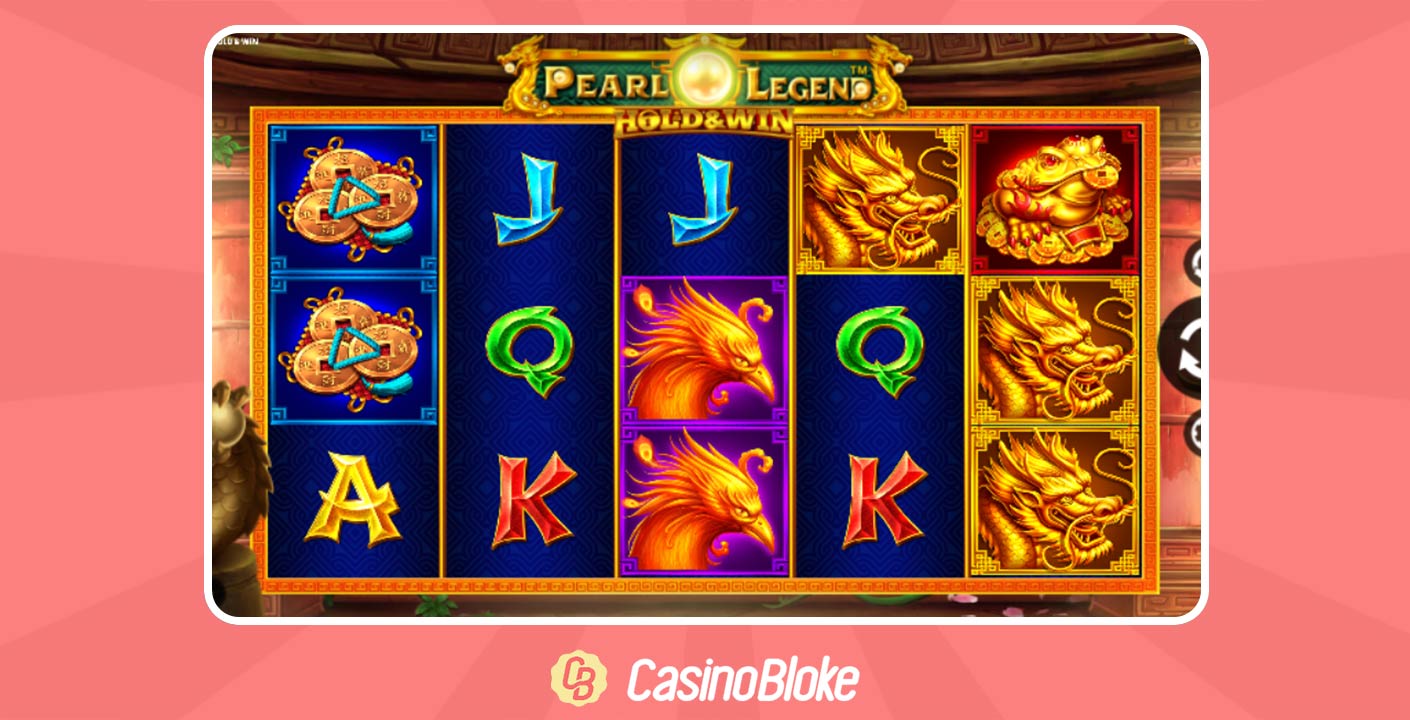
To thoroughly appreciate the fast mastery curve, one must contrast Hold and Win against existing alternatives. Megaways slots, with their variable reel heights and cascading symbols, need players to grasp win ways that shift with every spin. The cognitive load is unwavering. Cluster-pay titles demand spatial reasoning and pattern recognition. Free spins collection features frequently involve several scatter types and escalating multipliers that vary round to round. Each of these mechanics has a particular learning phase that can extend across dozens of sessions. Hold and Win games, by comparison, function on a single axis: collect the special symbols. The simplicity is never a limitation but a deliberate design choice that emphasises accessibility. UK players who have cycled through complex slots often describe returning to Hold and Win titles as a palate cleanser, a back-to-basics to fundamentals that requires zero mental overhead.
Stake Calibration and Bankroll Understanding
Mastering a slot entails more than understanding the bonus round; it demands grasping how stake size correlates with feature frequency and potential. Hold and Win games make this relationship transparent. The persistent jackpot display scales in real time, and the bonus trigger rate remains comparatively stable across stakes. Players rapidly learn that higher bets boost the reward ceiling without altering the core probability structure. This linear scaling is simple. Some progressive jackpot slots require complex qualification criteria or bet multipliers to unlock certain tiers. The UK player, accustomed to clear terms, appreciates the absence of hidden thresholds. Within a short session, they can adjust their bankroll to the displayed jackpot values, making knowledgeable decisions about session length and stake sizing. This financial literacy layer is element of the mastery package, and Hold and Win games impart it implicitly.
The Fundamental Mechanics That Define Hold and Win Games
At the center of every Hold and Win title lies a deceptively simple bonus trigger. Special symbols, often depicted as gold coins, diamonds, or orbs, hit the reels during base play. When a specific number shows up at once, the bonus round triggers. The triggering symbols remain fixed, and the rest of the positions spin again separately. Each new matching symbol that appears also sticks, resetting the respin counter to its original value. The round concludes when no new symbols land or when all positions are filled. This structure eliminates the cognitive load of navigating multiple bonus paths. Players focus solely on symbol accumulation, which establishes an intuitive rhythm. The lack of complex decision trees means even novices grasp the objective within the first bonus trigger. The UK market, packed with feature-rich Megaways and cluster-pay titles, considers this streamlined approach pleasantly accessible.
Symbol Identification and Instant Feedback Loops
Hold and Win games are great at delivering rapid response, a critical factor in accelerating the learning curve. When a bonus symbol drops, the visual and audio cues are clear. Coins glow, reels decelerate, and a clear chime signals proximity to the feature. This sensory clarity conditions the brain more quickly than subtle animations ever could. UK players, who often use slots during short mobile sessions on commutes or breaks, profit from this instant recognition. There is no need to check paytables mid-session. The game telegraphs its intentions through design. The locked symbols during the bonus round also offer a running tally of progress. Watching positions fill incrementally creates anticipation and strengthens the ruleset. By the third or fourth bonus trigger, the player has internalised the respin logic completely, moving from conscious learning to automatic play.
The Importance of Fixed Jackpot Tiers
Many Hold the Jackpot games feature fixed jackpot tiers shown continuously above the reels. Mini, Minor, Major, and Grand values sit in plain view, updating dynamically as stakes change. This transparency removes another layer of confusion. Players instantly comprehend the ceiling of each bonus round and the relationship between bet size and potential reward. In traditional slots, jackpot mechanics often remain hidden behind opaque triggers or random activations. Hold and Win titles flip that secrecy. The displayed values act as constant incentives and benchmarks. A UK player changing their stake from £0.20 to £1.00 sees the jackpot figures scale proportionally, reinforcing the risk-reward calculation without needing external guidance. This visual bond between player and game compresses the mastery timeline significantly.
How Operators Optimise the Onboarding Experience
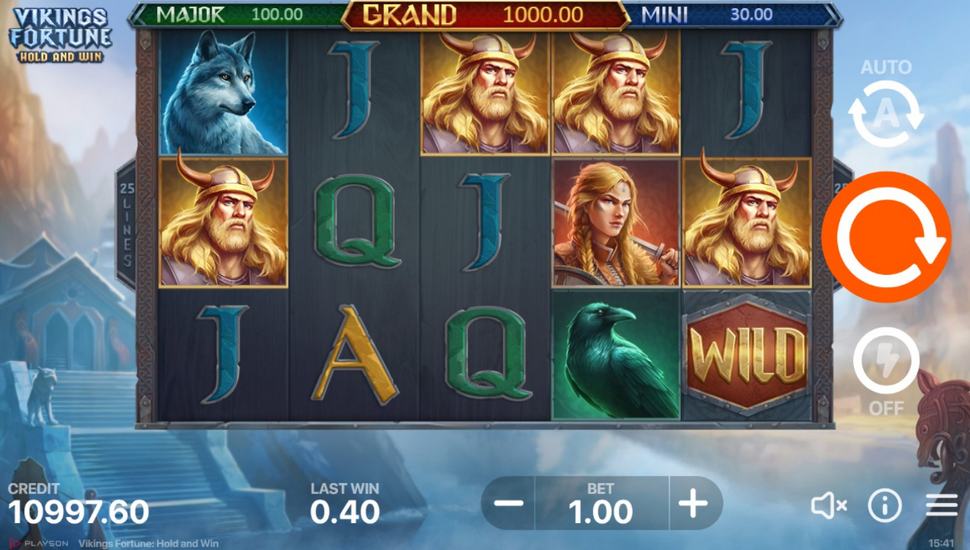
UK-facing casino operators have optimised the player onboarding journey particularly around Hold and Win titles. New player welcome offers frequently include free spins on these games, acknowledging that the shallow learning curve makes them perfect for conversion. A player who receives twenty free spins on a Hold and Win slot encounters the core mechanic multiple times without risking their own funds. This risk-free repetition solidifies the ruleset. Operators also place these titles prominently in lobby categories like “Easy to Play” or “Quick Wins,” indicating accessibility to newcomers. The curated placement minimises the friction of game selection. Many platforms now embed short tutorial overlays that activate on first launch, visually showing the lock-and-respin sequence in under ten seconds. These micro-tutorials, while brief, give just enough scaffolding to erase any initial hesitation. The combination of free play exposure and guided first steps means the UK player arrives at real-money play already competent.
The Information Behind Rapid Proficiency
Session metrics from UK operators indicate the pace of proficiency with Hold and Win games. Typical time to initial bonus activation sits around three to four minutes of play. Within that period, the player has witnessed the symbol landing pattern and understood the visual language of the near-trigger. By the tenth minute, many players have gone through two bonus rounds and can accurately predict the respin reset behaviour. Support ticket data shows that queries about Hold and Win mechanics decline to near zero after the first week of a title’s release, implying that the player base self-educates rapidly. Heatmap analysis of in-game behaviour reveals that UK players hardly ever pause over paytable buttons after their early sessions, indicating that the rules have been learned. This data-driven picture validates what anecdotal observation implies: Hold and Win games feature one of the smoothest learning curves in modern iGaming, and the UK audience masters them faster than any demographic measured.
Platform Uniformity and Effortless Switching
The Hold and Win gameplay is consistent across desktop, tablet, and mobile devices. The grid layout, symbol size, and bonus animation translate without compromise. This uniformity implies a player who understands the mechanic on a desktop at home can right away apply that understanding during a mobile play on the train. There is no interface relearning needed. UK players, who often move between devices throughout the day, benefit especially from this reliability. The game state and ruleset go with them without interruption. This cross-platform fidelity erases a common obstacle that hinders proficiency in other games, where mobile versions might reduce or modify the bonus presentation. Hold and Win creators prioritise responsive design that preserves the core visual structure, ensuring that the locked symbols are the focal point regardless of screen size. The effect is an uninterrupted learning process that builds across sessions and devices without pause.